


Frequently Asked Questions
No Questions Left in Your Mind
We have collected the most common questions and answers we receive from our patients in one place. If you have questions that are not included here, do not hesitate to contact us, we are here to help you.

Who is a physiotherapist and what do they do?
A physiotherapist is a healthcare professional trained to assess and manage movement and functional limitations associated with musculoskeletal, neurological, and other health conditions. Physiotherapists use evidence-informed approaches to support rehabilitation, improve mobility, and promote physical function.
Physiotherapy involves assessing an individual's medical history, functional abilities, movement capacity, and relevant clinical findings. Based on this assessment, physiotherapists develop individualized rehabilitation approaches within their professional scope of practice and applicable regulations.
Manual therapy is one of the approaches that may be used in physiotherapy. Techniques such as joint mobilization, soft tissue techniques, and therapeutic exercise may be considered depending on the individual's condition. When appropriately selected, these approaches may help manage certain musculoskeletal problems alongside exercise and patient education.

Is manual therapy sufficient on its own?
Manual therapy may help reduce pain and improve mobility in certain musculoskeletal conditions. However, it is not always sufficient as a standalone treatment. Outcomes may vary depending on the individual's clinical condition, duration of symptoms, and the techniques used.
Particularly in cases of low back and neck pain, manual therapy is generally best considered alongside therapeutic exercise, physical activity, and patient education. This combined approach may help individuals maintain improvements and support long-term functional recovery.
The goal of physiotherapy is not simply to provide temporary symptom relief but also to improve movement capacity, physical function, and the individual's ability to manage their condition independently. Therefore, treatment plans should be individualized based on clinical assessment and the person's specific needs.

What is the difference between manual therapy and chiropractic?
Manual therapy includes various hands-on techniques used in the assessment and management of musculoskeletal conditions. Techniques such as joint mobilization, manipulation, and soft tissue treatment may be considered within manual therapy.
Chiropractic is traditionally a distinct healthcare profession that focuses primarily on the spine and musculoskeletal system. Chiropractic approaches may involve spinal manipulation as well as exercise and patient education.
Physiotherapists may use manual therapy techniques within the scope of their professional training, competence, and applicable regulations. Although manual therapy and chiropractic share certain techniques, their professional backgrounds, scopes of practice, and approaches are not necessarily identical.
The choice of treatment should be guided by the individual's clinical condition, the scientific evidence supporting the technique, and its potential risks. An individualized assessment is essential to determine which approaches may be appropriate.
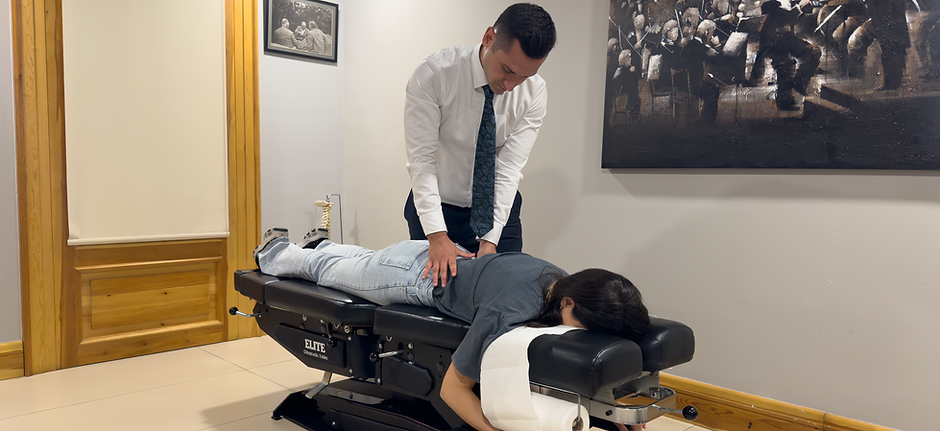
Is manual therapy evidence-based?
Manual therapy is used in the management of musculoskeletal conditions and has been investigated in numerous scientific studies. However, the effectiveness of manual therapy varies depending on the techniques used and the individual's clinical condition.
Research suggests that certain manual therapy techniques, particularly spinal manipulation and mobilization, may provide improvements in pain and function for some people. However, the magnitude of these benefits is not consistent across all studies, and manual therapy has not demonstrated a clear and sustained superiority over other recommended treatments.
In current clinical practice, manual therapy may be considered alongside exercise, physical activity, and patient education for appropriately selected individuals. Treatment decisions should be guided not only by the popularity of a technique but also by scientific evidence, clinical findings, and the individual's preferences.
The fact that manual therapy has a scientific evidence base does not mean that every technique is effective or risk-free for every health condition. Therefore, individualized assessment and consideration of current evidence are essential.

Is manual therapy alternative medicine?
Manual therapy includes hands-on techniques used in the management of musculoskeletal conditions. It may be incorporated into physiotherapy and rehabilitation programs when considered appropriate following a clinical assessment.
Manual therapy is not inherently classified as alternative medicine. However, the scientific evidence supporting different techniques and their clinical applications varies. The use of a technique in healthcare does not necessarily mean that it is effective for every condition.
In evidence-informed physiotherapy, manual therapy may be combined with exercise, physical activity, and patient education. Treatment decisions should consider clinical findings, scientific evidence, individual preferences, and potential risks.
Manual therapy should not replace necessary medical evaluation or treatment, particularly when warning signs or serious underlying conditions are suspected.

Who may benefit from manual therapy?
Manual therapy may be beneficial for some individuals experiencing musculoskeletal pain, joint stiffness, or movement limitations. It may be considered in the management of certain conditions, including low back pain, neck pain, and some types of joint-related problems.
However, not everyone with musculoskeletal symptoms is a suitable candidate for manual therapy. The potential benefits depend on the underlying condition, clinical findings, individual risk factors, and the specific techniques being considered.
Manual therapy is generally most appropriate when integrated into an individualized rehabilitation program that may include therapeutic exercise, physical activity, and patient education. Its purpose is to support pain management and functional improvement rather than serve as a universal solution.
Before considering manual therapy, a clinical assessment should identify potential contraindications and warning signs. Individuals with suspected fractures, serious neurological symptoms, certain vascular conditions, or other significant health concerns may require medical evaluation before any manual intervention.